Post 02
What makes a great leader, a junior's perspective
Leadership seen from the bottom rung. The qualities I want to grow into, and the leaders who showed me what they look like.
- Written by
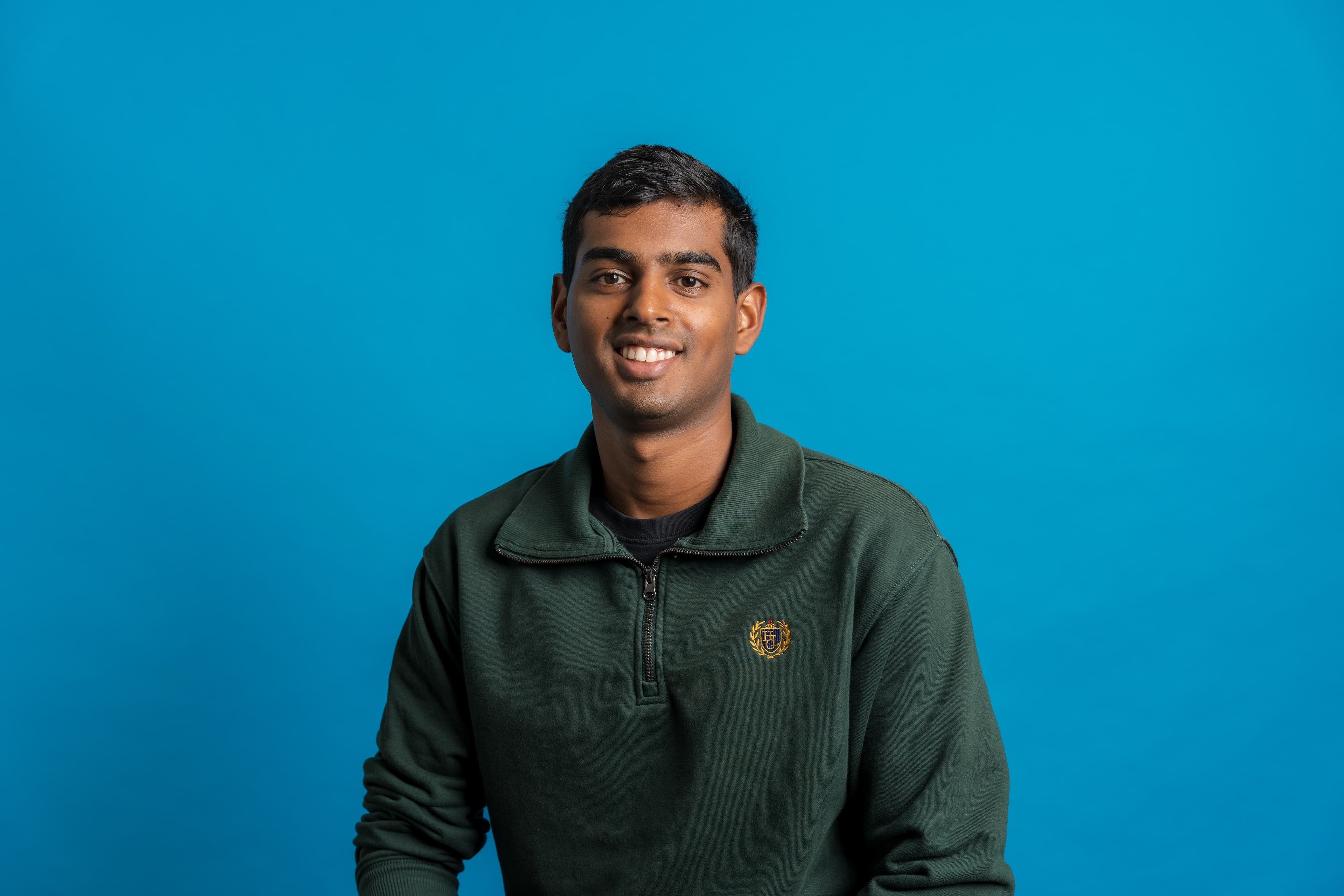 Zoher Hussein
- Published
- Reading time
- 4 min
- Filed under
- Leadership, Career
Introduction
This is a different take on leadership, written from the perspective of a junior. My goal is to articulate the qualities I aspire to develop as I grow my career. We often look to leaders for guidance and strategy, but there is value in looking up from the bottom rung. Why am I writing this? Partly as a benchmark to look back on, partly to see if my expectations line up with reality, and hopefully, to offer a fresh perspective for the reader.
Qualities of a great leader
To me, a leader is the first person who comes to mind when I hit a roadblock. They aren't just the ones making decisions based on data and strategy; they are the ones who translate that strategy into something I can understand.
They create an environment where I feel empowered to act. They act as a shield, managing the workload and priorities so the team can focus without being overwhelmed by noise from above.
While technical skills are important, I would argue that soft skills make the real difference.
A leader with exceptional soft skills changes the texture of the workday. They reduce bottlenecks and resolve conflicts not by pulling rank, but by fostering respect. They don't just "manage" the team; they advocate for us. They highlight a team member's skills genuinely. Not through empty flattery, but by giving credit where it is due.
Most importantly, they offer the kind of guidance that makes you feel like you belong in the room.
I realise these are skills no one fully masters instantly. It is a lifelong development process. But recognising that even great leaders are still learning these skills makes the role feel more human, and the journey more humble.
Expectations as a junior
I have been incredibly lucky to be surrounded by these exact types of leaders. My perspective is largely shaped by my environment: the leaders in my team, my wider area, and my role models.
Across the wider organisation, I see leaders with the genuine care and skill to make their teams shine. It is often a thankless role. But from my perspective, that selflessness is exactly what makes them great. They stand as pillars, bearing the weight so the team can stand tall.
I hope to be that kind of leader one day. I want to be someone a junior can turn to for help without "trembling in their boots."
However, I realise there is a balance. It is a hard boundary to create: being welcoming without creating dependency. I view it as a social contract between a junior and a leader:
- The junior's job: to try various solutions, look into alternatives, and simplify the problem before asking.
- The leader's job: to provide the final feedback and guidance on that work.
That is the dynamic I aspire to build. The door is open, but the expectation is that you walk through it prepared. This of course is one example, but I hope it illustrates the point.
What it looks like in practice
As mentioned, my views are shaped by my surroundings and experiences. Here are four leaders I've worked with who really display these qualities. They are only a few of the many great leaders I've met, but they have been instrumental in my journey so far.
The includer brings inclusiveness, technical knowledge, and a supportive reliability to the team. She makes sure everyone feels included, giving recognition and critical feedback when needed. Her toolbox of skills makes her versatile, so she can adapt to any problem. Her ability to support every team member, while being across seemingly every detail in depth, is truly amazing.
The simplifier brings technical depth and the skill of simplifying complex problems, which shows the true value of subject matter expertise. His ability to clearly explain ideas to different people demonstrates his depth of knowledge. He helps put together the missing pieces of a solution, often spotting things others might have missed, to create a better picture of the way forward.
The shield brings domain knowledge, reliability, and a genuine dedication to developing the team. The importance he places on growth, while also shielding us and prioritising our work, shows the balance he brings as a leader. His ability to make sure everyone has what they need, while encouraging knowledge sharing, highlights the connectedness of a functioning team.
The developer of people brings a people-first approach, strong development capabilities, and transparency. She shows the importance of developing team members at their own pace: gauging their drive and providing support exactly where it's needed. Her ability to empower her team to work autonomously, while still offering support, highlights the importance of letting each person shine in their own way.
Conclusion
To wrap up, if you are currently in a position of leadership, I just want to say thank you for all you do.
I realise this is just one person's perspective. Everything here is subjective, shaped by my own experience and aspirations. To me, a leader brings the specific skills needed to complete the puzzle of a highly functional team.
As I finish this post, I feel I have drafted a contract for my future self. These are the aspirations I strive towards. As I grow these skills, I hope to reach a stage where I can embody most, if not all, of these qualities.